
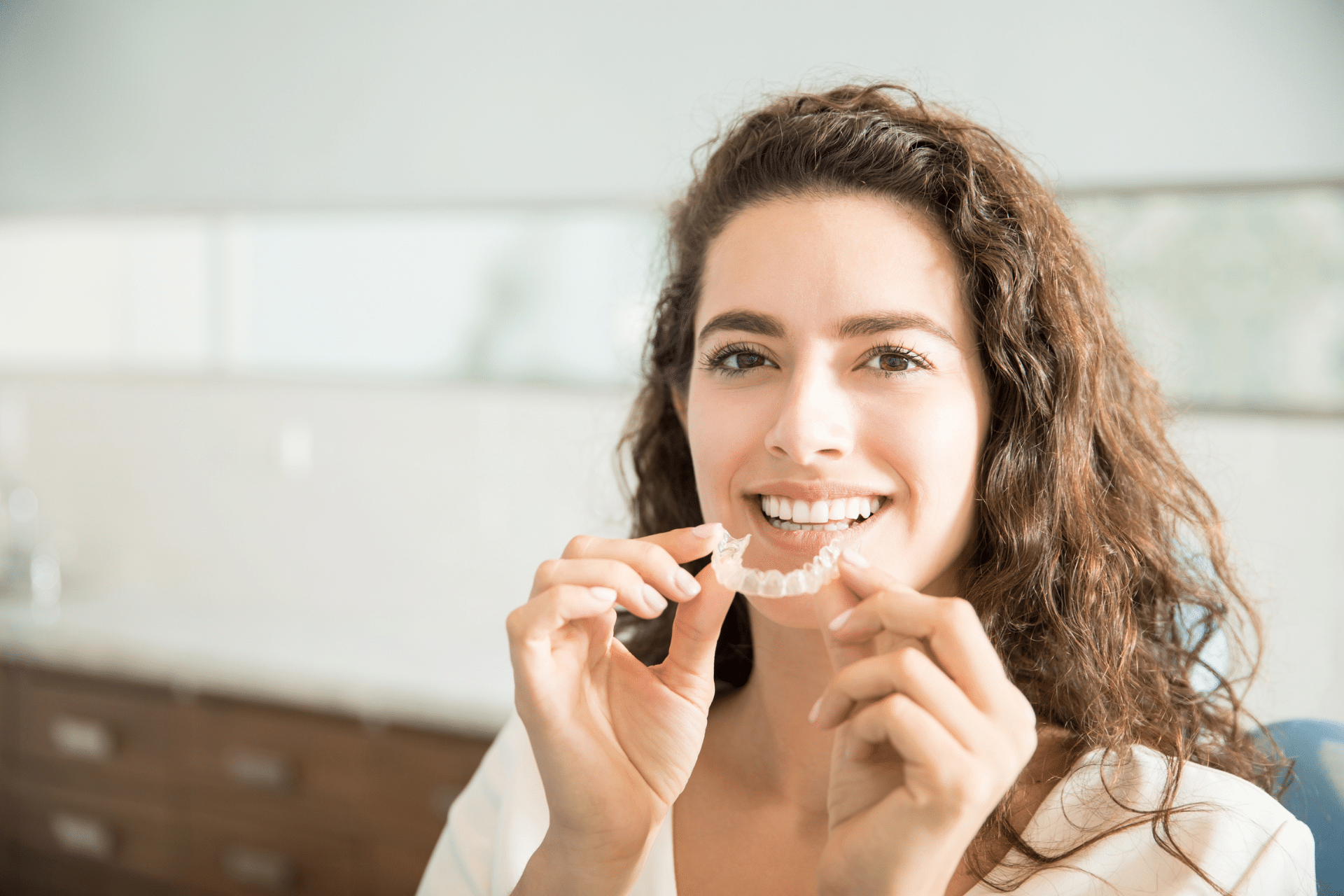
At Orthodontic Specialist, Dr. Michael J Donato and Dr. Nicolle Donato help patients compare options based on how the teeth fit together, how much movement is needed, and whether aligners can guide the bite into a healthier position.
How Do Complicated Bite Problems Affect Your Smile?
A complex bite issue is different from mild crowding or small spacing because it affects how the upper and lower teeth meet. The concern is not only appearance. It may also affect chewing, speaking, tooth wear, jaw comfort, and long-term stability.
Bite concerns can involve the front teeth, back teeth, jaw relationship, or several issues at once. An overbite can create too much vertical overlap. An underbite can place the lower teeth or jaw ahead of the upper teeth. A crossbite can cause some upper teeth to bite inside the lower teeth. An open bite can leave teeth unable to touch properly.
These details matter because orthodontic treatment should support both smile appearance and bite function. The American Association of Orthodontists explains common bite problems and why the way teeth meet can affect oral health over time.
Can Invisalign Correct Overbites, Underbites, and Crossbites?
Invisalign may help correct some bite concerns when the issue is mostly related to tooth position. Some overbites, mild crossbites, spacing-related bite patterns, and moderate alignment issues may respond well when the patient wears aligners as directed.
More advanced cases need a closer look. If the concern involves jaw growth, jaw size, severe rotations, impacted teeth, or major vertical movement, Invisalign may not provide enough control on its own. In those cases, clear braces, lingual braces, or another orthodontic approach may be recommended.
Age can also affect the treatment plan. Children and teens may still have growth that can be guided at the right time. Adults can still get strong orthodontic results, but treatment usually focuses on moving teeth within mature bone and completed jaw growth.
When May Clear or Lingual Braces Offer Better Bite Control?
Clear braces or lingual braces may be more reliable when an orthodontic issue requires large tooth movements, vertical correction, or stronger control of teeth that are hard to move. Because brackets are attached to the teeth, they can apply steady force without depending on removable trays.
This can help with deep bites, open bites, significant crossbites, severe crowding with bite changes, or teeth that need to be brought into the arch from difficult positions. Clear braces can offer a less noticeable look from the front, while lingual braces are placed behind the teeth for a more hidden option.
Choosing a bracket-based option does not mean Invisalign is not useful. It means attached appliances may give the orthodontist better control for that specific concern. Some patients may even use one type of treatment for an early stage and another option later to refine or maintain the result.
What Makes Invisalign Work Better in Some Complex Cases?
Clear aligner treatment depends on both the orthodontic plan and the patient’s consistency. Invisalign trays need to fit closely over the teeth so each stage can guide the next movement. When trays are not worn as directed, teeth may stop tracking properly, which can delay progress or require refinements.
For certain bite concerns, attachments may help aligners apply force more effectively. Elastics may also be used to improve how the upper and lower teeth fit together. These tools can make aligner treatment more effective, but they still depend on reliable wear.
A patient who is organized, motivated, and comfortable wearing aligners consistently may be a better candidate than someone who often forgets trays. Invisalign works best when patient habits match the treatment plan and each set of aligners fits as intended.
What Should You Know Before Choosing Treatment for a Complicated Bite?
A complicated bite does not automatically rule out Invisalign, but it does require realistic expectations. Clear aligners can be useful when tooth movement is suitable for trays and the patient can follow the wear schedule. Clear braces or lingual braces may be better when the correction needs movement that aligners cannot manage as well.
The most important question is whether Invisalign can correct your specific bite safely, comfortably, and with a stable result. For patients in Metuchen, NJ and surrounding communities, a local consultation can clarify whether Invisalign, clear braces, lingual braces, or another option makes sense.
How Can You Take the Next Step Toward a Better Bite?
If you are concerned about an overbite, underbite, crossbite, open bite, deep bite, or another complex orthodontic issue, Orthodontic Specialist can help you understand what may be possible with Invisalign, clear braces, lingual braces, or a combined approach.
Dr. Michael and Dr. Nicolle can evaluate your teeth, bite, jaw relationship, and treatment goals, then explain which option may offer the most appropriate path forward. Schedule a consultation today in Metuchen, NJ to get clear guidance and take the next step toward a healthier, more confident smile.