
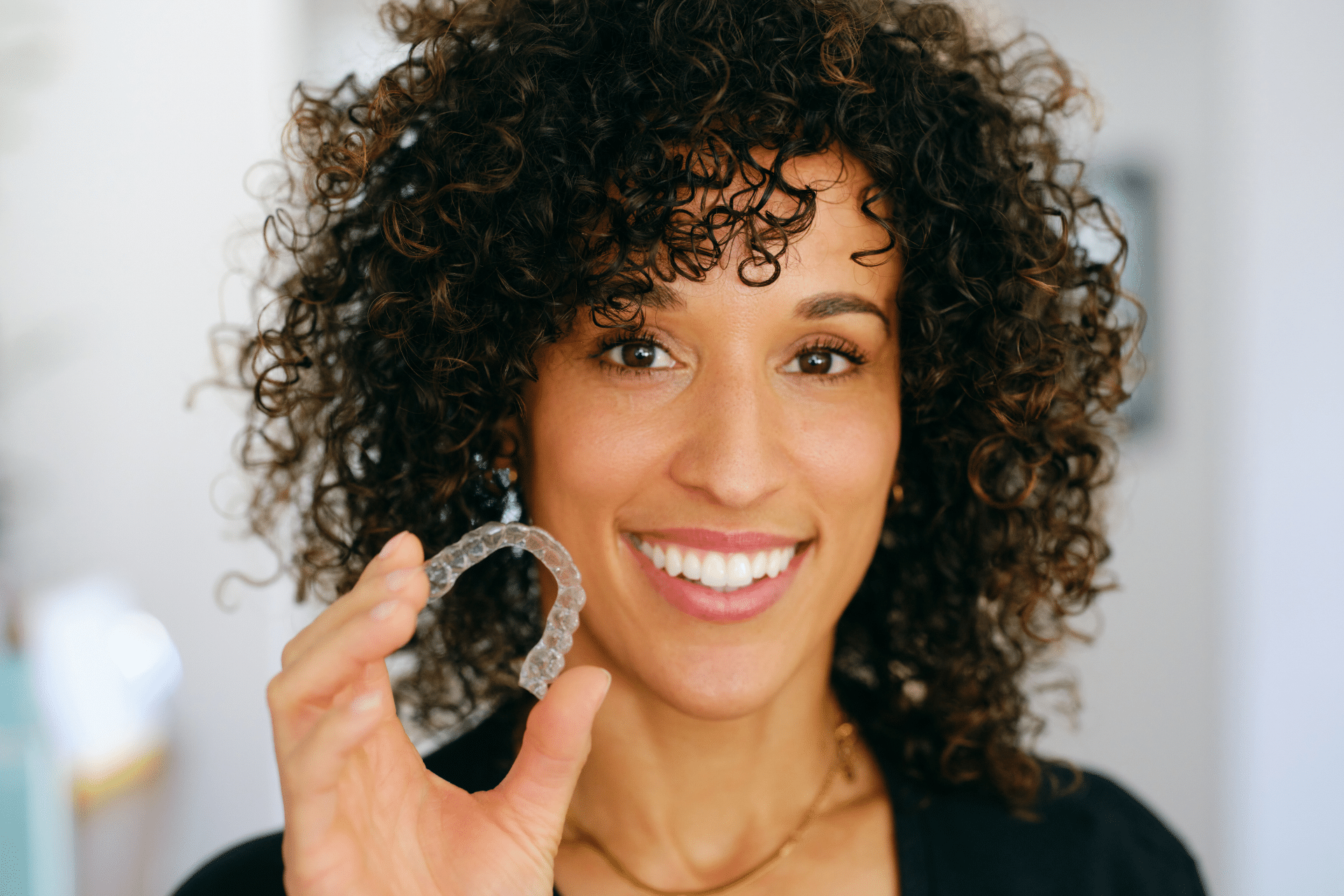
A bite concern can be easy to miss. You may notice crowding, an overbite, an underbite, an open bite, or a crossbite without realizing how those issues affect chewing, tooth contact, or jaw comfort. Some patients begin orthodontic treatment because they want a straighter smile, then learn that improving the bite can also help the teeth function in a healthier way.
At Orthodontic Specialist, patients can ask about appearance-friendly options such as Invisalign, clear braces, lingual braces, or other orthodontic appliances when appropriate. The practice offers modern orthodontic options without relying on traditional metal braces. The right plan depends on your diagnosis, the movement needed, and the approach most likely to support a stable result.
What Does Bite Correction Actually Mean?
Bite correction focuses on improving the relationship between the upper and lower teeth. This may involve guiding tooth position, improving jaw relationships, or creating better contact when you chew, speak, and bite down.
Common bite concerns include overbite, underbite, crossbite, open bite, crowding, spacing, and protruding teeth. For children and teens, treatment may help guide development while the mouth is still growing. For adults, orthodontic care may focus on moving teeth into better positions, improving function, and reducing excess pressure on specific areas.
The name of the bite problem is only part of the diagnosis. Two patients can both have an overbite, but their treatment plans may look different because their tooth positions, jaw growth, habits, and smile goals are not the same. A proper evaluation helps identify what is causing the imbalance and which treatment approach may be appropriate.
Why Can An Unbalanced Bite Affect Comfort and Tooth Wear?
When your bite is off, certain teeth may absorb more pressure than they were designed to handle. This can make chewing feel uneven, cause the jaw muscles to work harder, or create strain over time.
Some people chew mostly on one side. Others feel that their front teeth do not touch comfortably, or that their back teeth hit before the rest of the mouth settles. These patterns can be especially noticeable if the bite has been unbalanced for years.
The American Association of Orthodontists explains that common bite problems can affect chewing, speaking, enamel wear, gum health, and jaw comfort. That is why an orthodontic evaluation can be helpful when something feels off, even if the teeth appear mostly straight.
Teeth are strong, but they are not meant to handle repeated force in the wrong places. A deep bite can place extra contact on the front teeth. A crossbite may cause the jaw to shift as you close. An open bite can make biting into foods harder because the front teeth do not meet properly. Crowding can make cleaning more difficult, while spacing can allow food to collect in open areas.
Bite alignment can also affect dental work. Fillings, crowns, bonding, and veneers may be placed under extra stress if the surrounding teeth do not come together evenly. In some cases, improving tooth position before or after restorative care may help protect the overall result.
Can Bite Correction Be Discreet?
Bite correction can often be done with less noticeable treatment, depending on the complexity of the case. Many adults and teens want to improve alignment without traditional metal braces, especially if they are concerned about school, work, photos, or social situations.
Invisalign may be an option for certain bite and alignment concerns when clear aligners can move the teeth predictably. Clear braces use brackets designed to blend more naturally with the teeth. Lingual braces are placed behind the teeth, which makes them hidden from the front.
Not every option works for every bite. Some cases need more controlled tooth movement, elastics, attachments, expansion, or coordination with another dental specialist. The best choice depends on the diagnosis and the type of correction needed.
For patients in Staten Island, NY and surrounding communities, these modern orthodontic options can make treatment feel more approachable. This is especially helpful for people who have delayed care because they were worried about how orthodontics would look during treatment.
What Is the Main Takeaway About Bite Correction?
The main takeaway is that bite alignment supports more than appearance. It can influence chewing comfort, tooth wear, jaw balance, cleaning access, and the long-term stability of orthodontic results.
A well-planned orthodontic evaluation looks at how the teeth meet, how the jaw closes, and how the smile functions as a whole. Bite concerns do not always need the same treatment, and they do not always need urgent care. Still, they should not be ignored when they affect comfort, chewing, or tooth wear.
When Should You Schedule a Bite Evaluation?
You should schedule a bite evaluation if your bite feels uneven, your jaw shifts when you close, your teeth show unusual wear, or you have been told you have an overbite, underbite, crossbite, or open bite. You may also benefit from an orthodontic consultation if you want a straighter smile but are unsure which discreet option can address both alignment and bite function.
If you are considering orthodontic treatment for yourself or your child, Orthodontic Specialist in Staten Island, NY can help you take the next step with confidence. Dr. Michael and Dr. Nicolle can review your bite, explain what they see, and discuss treatment options that fit your needs. Schedule a consultation today to learn whether orthodontic treatment may improve comfort, function, appearance, or long-term smile stability.